Research-Backed
Benefits of Exercise in Pregnancy
The American College of Obstetrics and Gynecology recommends strength training partnered with flexibility and cardiovascular exercise most days of the week. The evidence speaks for itself:
- Prevent excessive weight gain — overall weight gain is 8 pounds less than women who do not exercise in pregnancy
- Increases incidence of vaginal delivery
- Decreases risk of gestational diabetes
- Decreases risk of pre-eclampsia and gestational hypertension
- Less nausea, leg cramps, back and pelvic pain
- Improves self-esteem and body image
- Improves overall mood, decreasing stress, anxiety, and depression
- Increased energy levels
- Decreased subcutaneous fat in babies, without increasing risk of preterm delivery or fetal growth restriction in uncomplicated pregnancies
- Children of moms who exercise in pregnancy maintain lower fat and healthier weight and score higher on general intelligence and oral language test skills
Key Components
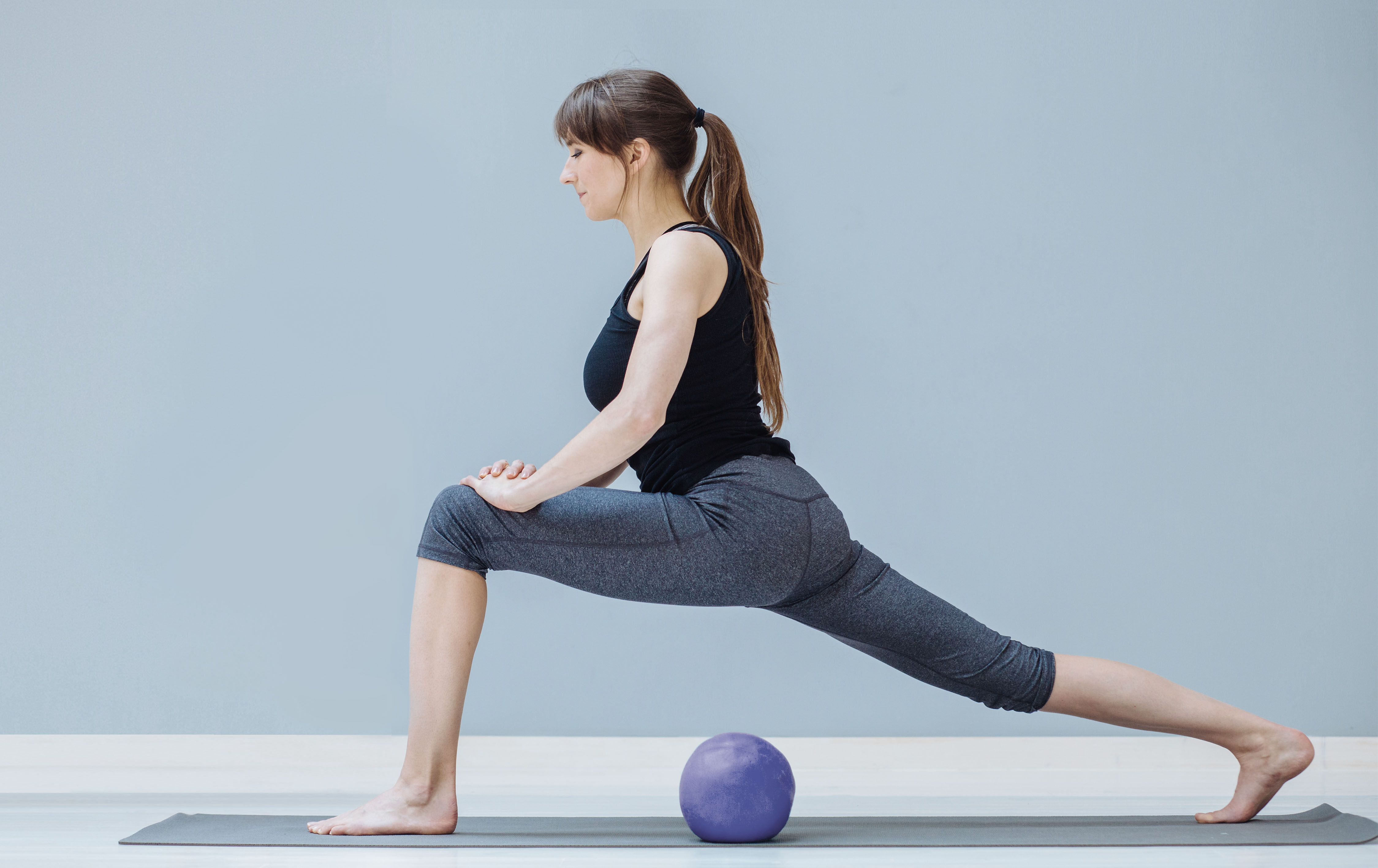
- Weight should be over heels — pelvis over ankles, ribs over pelvis, nipples forward, and ears over shoulders when doing exercises.
- Stand with feet pelvic width apart and wear flat shoes to keep calves and hamstrings lengthened.
- Stretch calves and hamstrings daily.
- During pregnancy, the back weakens due to increased sitting and growing uterus. The hamstrings become tight, the pelvis moves over the ankles, gluteal muscles weaken, and the pelvic floor becomes short and tight.
- As the abdominal muscles stretch during pregnancy, the rectus muscles separate, and can cause diastasis recti.
- The best way to build a strong core during pregnancy is to focus on proper posture and deep core breathing throughout the day and during exercise.
- 50% of women have some amount of diastasis recti after birth and 40% of these women have persistent diastasis recti at 6 months post-partum.
- Deep core breathing during every exercise — EVERY exercise is a CORE exercise.
- Watch your abdomen. If you see or feel coning, STOP that exercise — they are no longer beneficial to the core and are causing separation of the rectus muscles.
- Exhale on exertion — engages core.
How to do deep core breathing:
- Sit or stand with neutral pelvis, or lie down.
- Place one hand on the side of your ribs and the other on your belly.
- Inhale — feel the rib cage and pelvic floor expand and the abdomen expand outward.
- Exhale through pursed lips — contract your pelvic floor, lifting up the perineum (abdominals should tighten and abdomen come inward).
- Repeat 10–30 times, 3 times daily.
Recommended weight gain by BMI:
| BMI Category | Total Gain | Weekly Rate (2nd–3rd Tri) |
|---|---|---|
| Underweight (<18.5) | 28–40 lbs | ~1 lb/week |
| Normal (18.5–24.9) | 25–35 lbs | ~1 lb/week |
| Overweight (25–29.9) | 15–25 lbs | ~0.6 lbs/week |
| Obese (30+) | 11–20 lbs | ~0.5 lbs/week |
Extra daily calories needed:
- Singleton pregnancy — +340 cal/day starting in 2nd trimester
- Twins — +600 cal/day
- Triplets — +900 cal/day
- Postpartum & breastfeeding — +500 cal/day
- Take a prenatal vitamin daily
Encouraged
Do
- Check with YOUR obstetrician prior to starting this or any exercise program.
- Listen to your body. If a movement doesn't feel right, stop or modify.
- Stretch after every workout.
- Consume adequate calories each day (see Nutrition above).
- Eat a complex carbohydrate and protein snack 60 min prior to each workout.
- Modify lying-back exercises to an incline at 20 weeks.
- Stay well-hydrated.
- Wear loose-fitting clothes and avoid heat/humidity.
- Focus on relaxation daily with meditation or breathing exercises.
- Wait until 6 weeks postpartum to start diastasis recti exercises.
Avoid
Don't
- Take part in contact sports, hot yoga, hot pilates, or high-altitude training.
- Make quick directional changes and jerking motions that would cause imbalance.
- Hold your breath during exercises.
- Exercise with the goal of weight loss.